Coach does not need much of an introduction. The more useful question is whether the bag you are eyeing is actually worth A$500, A$700 or, in some cases, well over A$1,000 — not whether the name on the front is famous enough.
Our short answer is that Coach remains one of the stronger places to shop for a first designer bag or a practical upgrade from high-street accessories. The leather range is usually where the brand makes its best case: there are recognisable silhouettes, sensible internal layouts and materials that can feel convincing without the four-figure entry price of traditional luxury houses.
That does not make every Coach bag an automatic good buy. Some designs charge more for quilting, seasonal finishes or prominent hardware than they add in everyday usefulness. Signature coated canvas is lighter and easier-going than many leathers, but it is not necessarily the material to choose if the pleasure of good leather is the entire reason you are shopping at Coach.
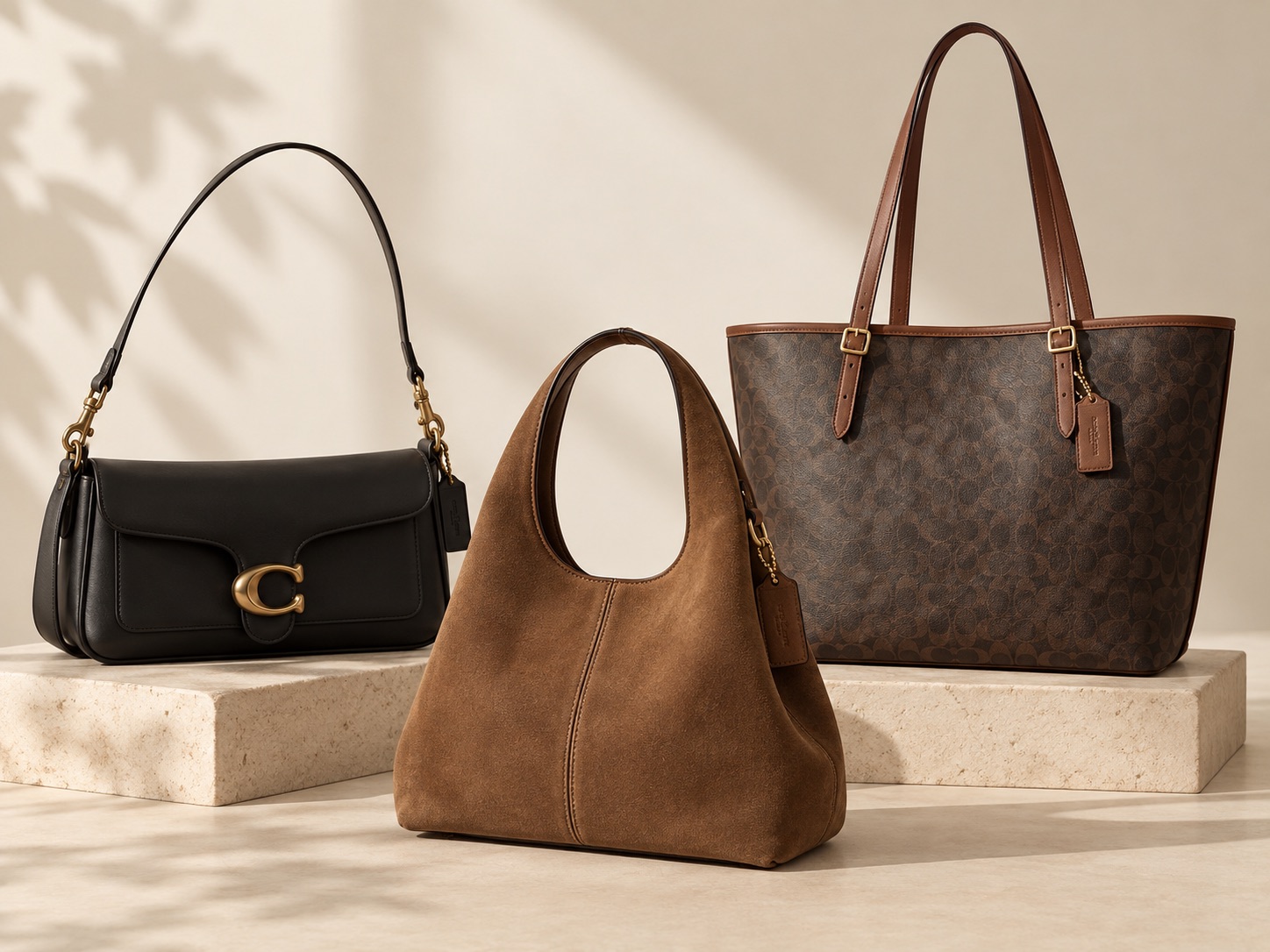
The current Australian range also stretches further than the old idea of Coach as simply an ‘affordable designer’ label. At the time of writing, the Brooklyn Shoulder Bag 26 is A$350, the Tabby Shoulder Bag 20 is A$650, the Lana Shoulder Bag 23 is A$725, and larger or more elaborate Tabby styles can pass A$1,000. Accessible compared with Chanel is still not the same thing as inexpensive. Fashion has a marvellous talent for moving the goalposts while keeping a straight face.
Quick Verdict
Coach is a good buy in Australia when you choose the bag rather than buying the badge. We would prioritise mainline leather styles with a useful shape, a colour that works across seasons and enough capacity for your real routine. The Brooklyn is the easiest entry point, the Tabby brings more obvious designer identity, and the Lana is a strong compact everyday option.
The brand is less compelling if you want excellent resale value, dislike visible logos or are tempted mainly by a dramatic outlet markdown. Coach can offer very good quality for its position in the market, but it is still a large fashion business with frequent collections, sales and many variations on a theme. A bag should earn its place in your wardrobe after the excitement of the shopping bag has worn off.
Where Coach Sits Between High Street and Luxury
Coach began in New York in 1941 as a leather-goods workshop and now describes itself as a global fashion house. That heritage matters, but not because an old founding date magically improves every zip. It matters because leather bags are still central to the brand rather than a small accessory category attached to clothing or fragrance.
In practical terms, Coach sits in the contemporary or accessible designer tier. It is above most mass-market accessory brands in material choice, construction and after-sales support, but below the price and exclusivity of houses such as Louis Vuitton, Gucci or Bottega Veneta. Its nearest comparison set is more likely to include Furla, Oroton, Tory Burch and some Longchamp lines, depending on the bag.
Coach’s own brand history is worth reading for context: the company links its current collections to its leather-work origins and to creative director Stuart Vevers, who has led the design direction since 2013.
How Good Is Coach Bag Quality?
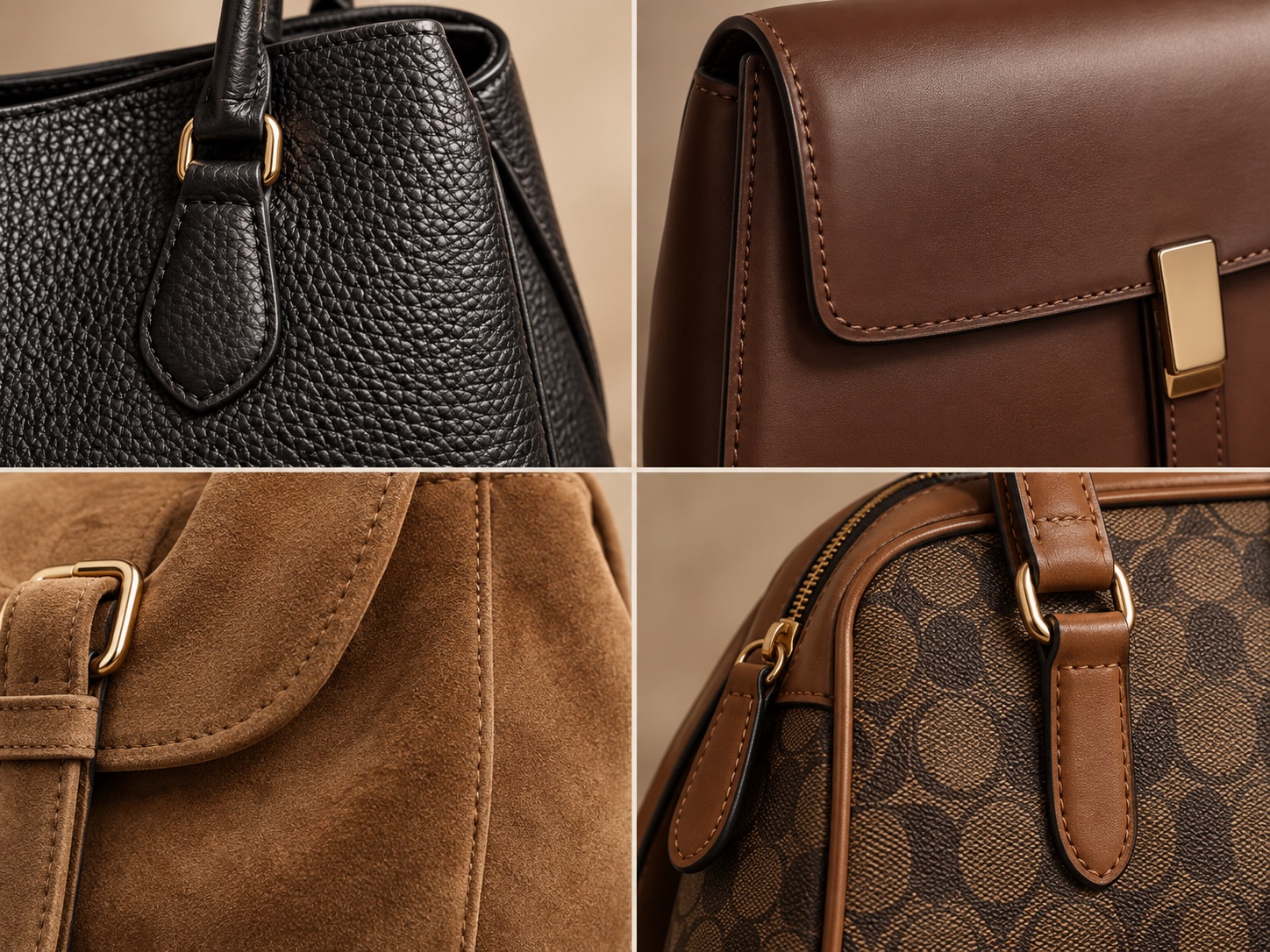
The strongest Coach bags tend to combine a straightforward silhouette with a leather that can tolerate normal use. Polished pebble leather is a particularly practical choice because its texture disguises small marks better than a perfectly smooth surface. Glovetanned and smoother leathers can feel richer and develop more character, but they generally ask for a little more care around sharp jewellery, rough walls and crowded public transport.
Construction varies by design. A structured Tabby has more panels, hardware and defined edges than the softly folded Brooklyn, so the two should not be judged by exactly the same checklist. On any bag, we would inspect the stitching at handles and strap anchors, the finish along painted edges, how easily the closure works one-handed and whether the bag holds its shape when filled. A famous logo is not a substitute for looking at the corners.
Hardware is one reason Coach can look more expensive than many high-street bags, especially on restrained designs. It also adds weight. The large C closure on the Tabby is part of the appeal if you want an identifiable Coach bag; if you prefer something quieter, the Brooklyn’s minimal branding or a simple leather tote will age more gently with changing trends.
Leather vs Signature Canvas
Coach sells bags in polished pebble leather, smooth leather, suede, quilted leather and its signature coated canvas, often with leather trim. None is universally best; the right choice depends on weight, weather, maintenance and whether you want a discreet bag or the recognisable C pattern.
Leather is the clearest expression of what Coach does well. It usually feels more substantial, can soften attractively and gives simpler designs enough visual interest without an all-over print. Dark pebble leather is the easiest option for commuting and frequent use. Pale smooth leather looks polished but will show colour transfer and surface marks more readily, particularly with dark denim.
Coated canvas is often lighter and easier to wipe, which makes sense for travel, work totes and anyone who does not want to monitor every weather forecast. It is not indestructible or fully waterproof, and the value proposition is different: you are paying for the design, construction and brand as much as for the raw material. Suede has the richest texture of the three, but Melbourne drizzle and a light-coloured suede shoulder bag are not natural allies.
The Coach Bags We Would Consider First
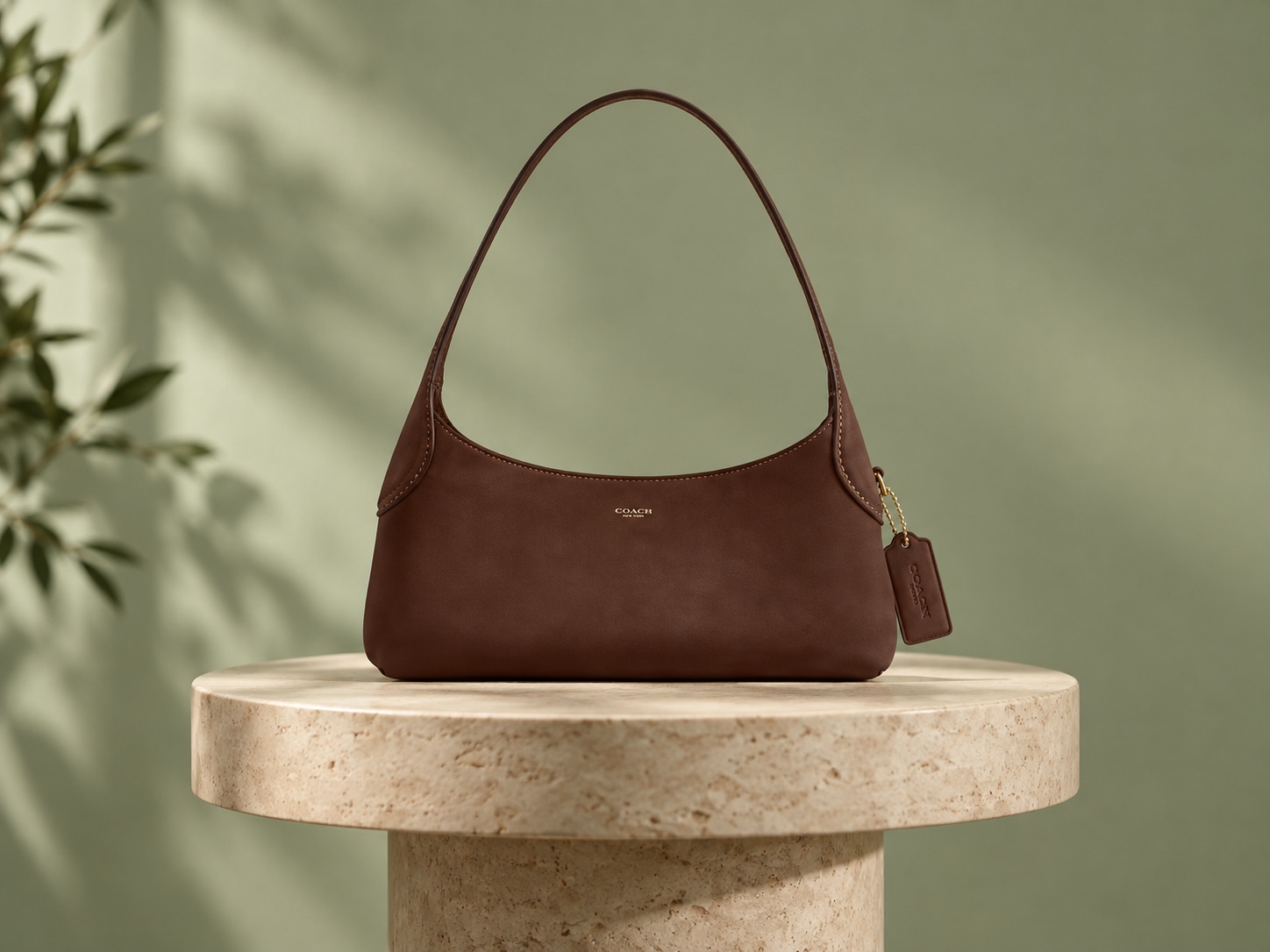
Brooklyn Shoulder Bag 26 — Best Entry Point
Price checked: A$350
The Brooklyn 26 is the easiest recommendation for someone who wants a current Coach bag without spending Tabby money. Its elongated hobo shape is simple, lightly branded and relaxed enough for daily wear. The current suede version measures 10.5 inches long and includes a central zip compartment inside the magnetic opening.
Its strength is also its limitation. This is not a highly structured bag with extensive organisation, and suede needs more attention around rain, drinks and colour transfer. If the same silhouette is available in leather, that will generally be the more forgiving everyday choice. The 26 is best for essentials rather than a full working day packed into one bag.
Best for: shoppers who want a modern, understated first Coach bag and prefer shape over obvious branding.
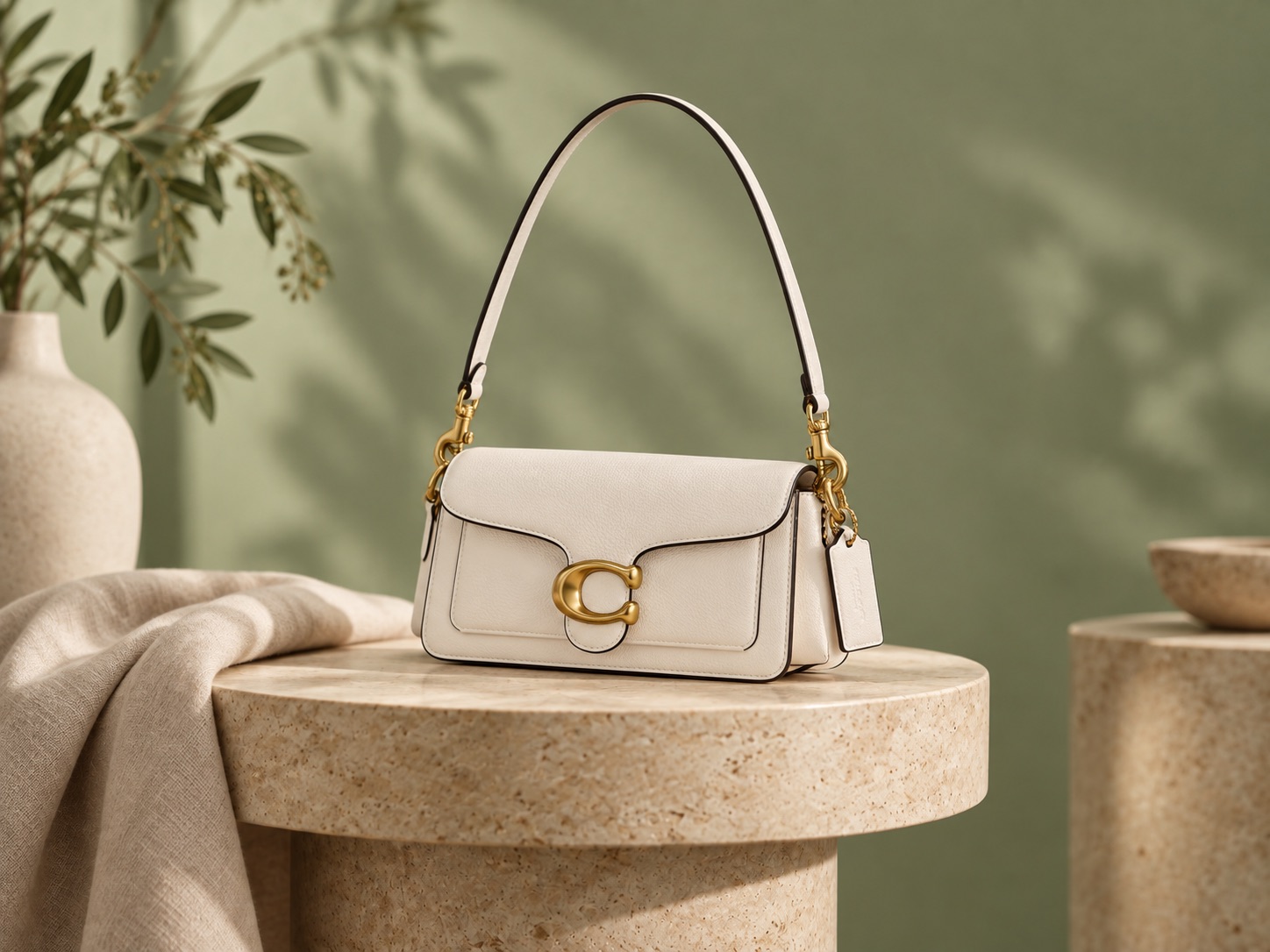
Tabby Shoulder Bag 20 — Best Recognisable Coach Style
Price checked: A$650
The Tabby is the bag to choose when you want the purchase to look unmistakably Coach. The 20 is a compact structured style in polished pebble leather with a detachable short handle and a longer strap for shoulder or crossbody wear. It has an outside slip pocket, internal pockets and the large Signature hardware at the front.
It feels more dressed than the Brooklyn and works well from lunch to evening, but the small size deserves a realistic packing check. The rigid structure limits how much you can squeeze inside, and the statement clasp will date faster than an unbranded flap if your taste changes. Still, as a recognisable designer bag below the traditional luxury tier, it makes a coherent case.
Best for: someone who wants a polished compact bag, interchangeable straps and a clear Coach identity.
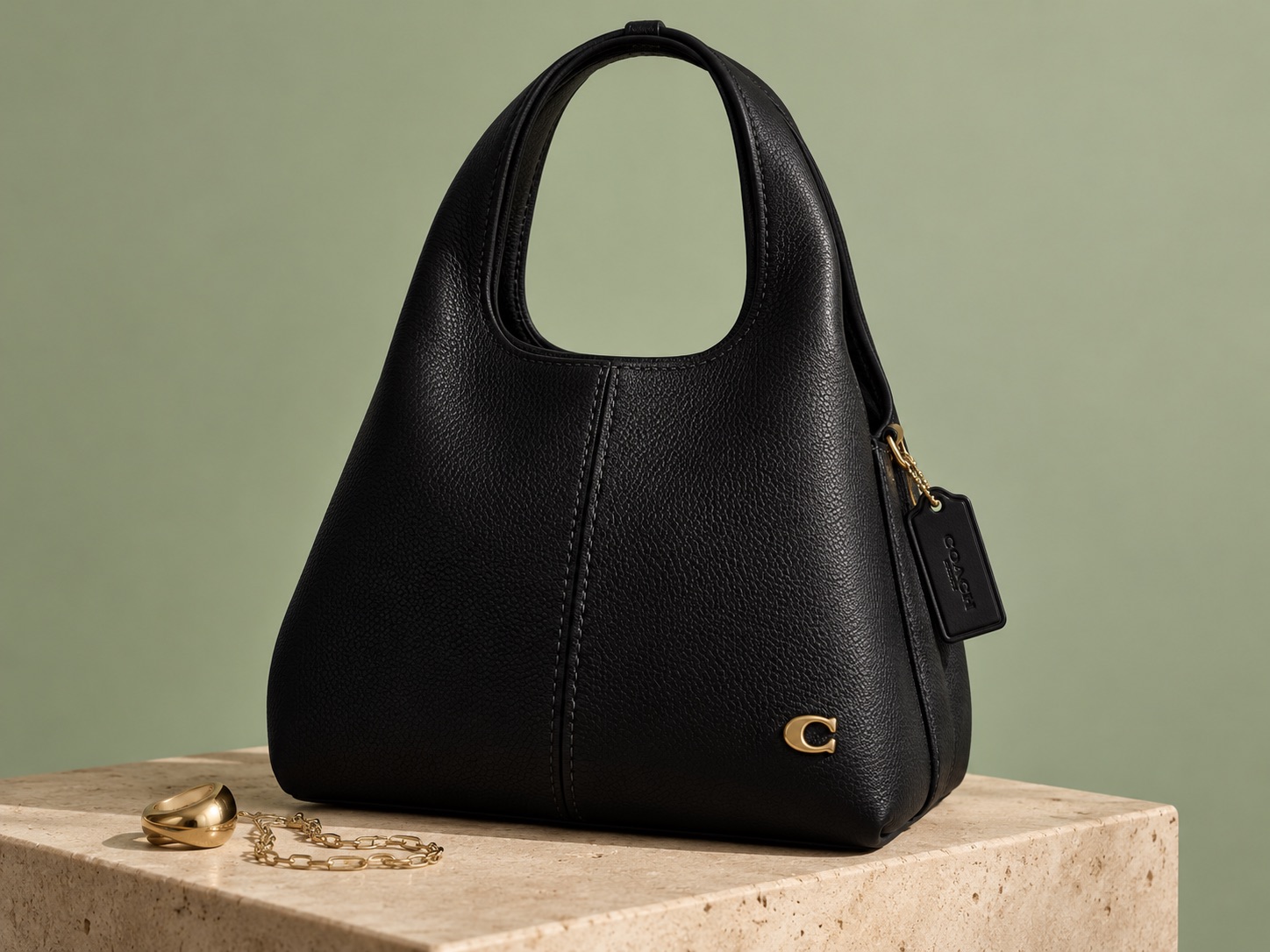
Lana Shoulder Bag 23 — Best Compact Everyday Bag
Price checked: A$725
The Lana 23 is a more practical compromise between a small crossbody and a top-handle bag. It uses polished pebble leather, has a detachable longer strap and divides the interior into a secure centre section with two open compartments. That layout is useful when you want access without tipping the entire contents into your lap.
Best for: shoppers wanting a compact leather bag with better organisation and several ways to carry it.
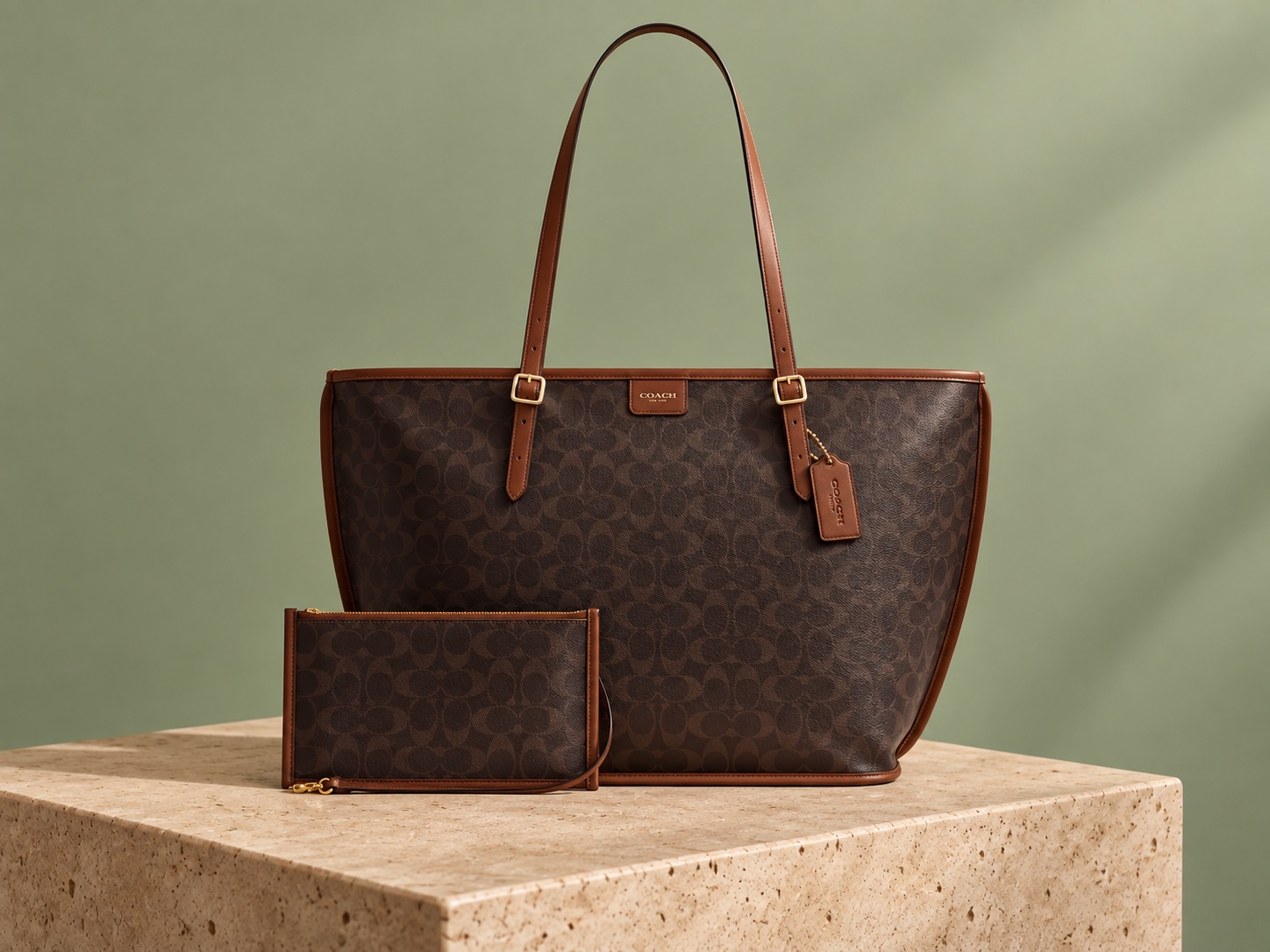
Taxi Tote in Signature Canvas — Best for Work and Travel
Price checked: A$450
The Taxi Tote is the practical argument for coated canvas. It is substantially larger than the shoulder bags, has a zip-top closure, adjustable handles and a removable zip pouch. Coach lists space for a laptop, although the product details and editorial copy currently differ between 15 and 16 inches, so measure your device rather than trusting the more optimistic number.
The canvas keeps the bag lighter than a similarly sized all-leather tote and is easier to live with on flights or commutes. The trade-off is that the signature print is prominent and the material will not give you the same tactile pleasure as leather. If the logo pattern already feels busy on screen, it will not become quieter in person.
Best for: work, travel and shoppers who value capacity, zip security and lower weight over an all-leather finish.
Coach Mainline vs Coach Outlet
Coach mainline and Coach Outlet should not be treated as the same shop with different price stickers. Outlet stock can include different product lines and materials, alongside discounted inventory, and the assortment changes. The sensible approach is to judge the exact style number, material and construction rather than assuming every outlet piece began life in a boutique at the crossed-out price.
For a first purchase, compare the outlet bag directly with a mainline sale style. Look at the leather description, lining, hardware, edge finishing and strap attachments, then ask whether the discount still feels meaningful without the reference price. A simpler outlet bag can be perfectly useful; it just should not borrow a mainline product’s reputation without earning it.
Handbag enthusiasts in one long-running Reddit discussion about Coach’s reputation repeatedly distinguish between retail leather styles, vintage Coach and some outlet ranges. That is anecdotal rather than a universal quality test, but it reflects the right buying habit: evaluate the individual bag, not the size of the markdown.
Buying Coach Online in Australia
Coach Australia currently offers free standard shipping on all orders. The stated delivery window is three to five business days for metropolitan areas and five to eight business days for regional areas. Express delivery costs A$10 below A$500 and is free from A$500, with shorter estimated windows. Remote areas and sale periods can take longer.
Online purchases can be returned through the free online return service within 30 days of placing the order, provided the item is new, unused and still has its labels and swing tags. Monogrammed and customised items are excluded. Credit-card purchases may also be eligible for in-store return or exchange, while PayPal, Afterpay and Zip purchases need to go through the online return route.
The handbags and small leather goods warranty covers manufacturing defects for one year. Keep the receipt and photograph the bag when it arrives, especially the corners, hardware and strap joins. Normal wear, misuse and accidental damage are not warranty faults, so a white bag meeting blue denim remains a wardrobe decision rather than a manufacturing crisis.
How Coach Works with Australian Seasons and Climate
For year-round use, medium and dark pebble leather is the safest choice. It handles light marks better, works with winter layers and does not look seasonally stranded with a linen dress. Coated canvas is practical for travel and warmer weather. Suede is best treated as a more weather-sensitive option, particularly in pale colours.
Do not leave a leather bag in a hot car, store it in direct sun or pack it so tightly that the shape distorts. Use the dust bag, keep it loosely supported and follow the care directions for the exact material. Melbourne may provide four seasons in a day, but your handbag does not need to experience all of them from the passenger seat.
Pros and Cons
What We Liked
- The leather range offers a convincing step up from high-street bags without requiring traditional luxury prices.
- There is genuine variety: understated hobos, structured shoulder bags, compact crossbodies and work-ready totes.
- Australian shoppers get local pricing, free standard delivery and a free 30-day online return route.
- A one-year manufacturing-defect warranty adds useful support to a purchase that may cost several hundred dollars.
- Many styles balance recognisable design with practical pockets, detachable straps and wearable neutral colours.
What Could Be Better
- Pricing now reaches well beyond the old 'affordable designer' shorthand, particularly for larger or quilted Tabby styles.
- Quality and value vary across materials, seasonal treatments and outlet lines, so the logo alone is not enough information.
- Some compact bags look spacious online but have rigid structures that limit what actually fits.
- Prominent C hardware and signature canvas can feel dated sooner than Coach's quieter leather designs.
- Resale value is inconsistent and should not be used to justify buying a bag you would not otherwise wear.
Who Is Coach Best For?
Coach is best for someone buying a first designer bag, upgrading from mass-market accessories or looking for an everyday leather bag with more polish than a purely utilitarian option. It suits shoppers who want to handle a product in an Australian store, order locally and have a straightforward return path if the size or colour is wrong.
Coach is less suitable if brand exclusivity is central to the purchase, if you expect strong value retention or if your taste is strictly logo-free. Shoppers primarily motivated by outlet percentages should pause as well; the best bargain is not the largest discount but the bag you would still choose at a calm Tuesday price.
Coach vs Alternatives in Australia
Coach has no single direct substitute because different competitors overlap with different parts of its range. These are the most useful comparisons to make before buying:
| Brand | Main Strength | Best For |
|---|---|---|
| Coach | Broad leather range, recognisable designs and local retail access | First designer bags and versatile everyday styles |
| Oroton | Australian heritage and generally understated polish | Shoppers wanting a locally familiar alternative |
| Furla | Clean Italian styling in the contemporary designer tier | Structured, feminine bags with less American branding |
| Longchamp | Lightweight, travel-friendly bags and practical totes | Commuting, flights and low-fuss capacity |
| Status Anxiety | Lower-priced leather styles with minimal branding | Value-focused shoppers who care less about designer status |
Final Verdict
Coach remains one of the most sensible entry points into designer handbags in Australia, especially when the choice is a well-proportioned leather bag rather than the loudest seasonal finish. The brand’s best products feel considered, useful and noticeably above mass-market construction without demanding that you pretend price has ceased to matter.
Our first choice for value is the Brooklyn 26, particularly in a practical leather finish when available. The Tabby 20 is the better choice if you want a recognisable designer statement, while the Lana 23 justifies more of its price through organisation and versatility. The Taxi Tote is the practical canvas option for work or travel.
We would skip any style that is too small for your routine, too logo-heavy for your wardrobe or attractive mainly because it is discounted. Coach is at its best when it offers good leather, a useful shape and enough personality to feel special. That is a solid reason to buy a bag. A crossed-out number is not.
Frequently Asked Questions
Is Coach considered a luxury brand in Australia?
Coach is usually described as contemporary luxury, accessible designer or entry-level designer rather than traditional high luxury. It sits above most high-street labels but below houses whose handbags commonly begin in the several-thousand-dollar range.
Are Coach bags made from real leather?
Many Coach bags use real leather, including polished pebble, smooth, glovetanned and suede options. Others use signature coated canvas with leather trim or mixed materials. Check the materials section on the exact product page rather than assuming every Coach bag has the same construction.
How much do Coach bags cost in Australia?
Current mainline examples range from A$350 for the Brooklyn Shoulder Bag 26 to A$650 for the Tabby 20 and A$725 for the Lana 23. Larger, quilted or more elaborate styles can exceed A$1,000. Prices and availability change, particularly during seasonal releases and sales.
Does Coach Australia offer free returns?
Coach Australia currently offers a free online return service for eligible online purchases returned within 30 days of placing the order. Items must be new and unused with labels and swing tags attached. Customised products are not eligible for change-of-mind returns.
What warranty do Coach bags have in Australia?
Coach Australia lists a one-year warranty for manufacturing defects on handbags and small leather goods. Proof of purchase is required, and ordinary wear, misuse and accidental damage are not covered as manufacturing faults.
Do Coach bags hold their value?
Some popular, discontinued and vintage Coach styles resell well, but value retention is inconsistent across the range. Condition, material, colour and demand matter. Buy Coach primarily because you want to use the bag, not because you expect it to behave like an investment.